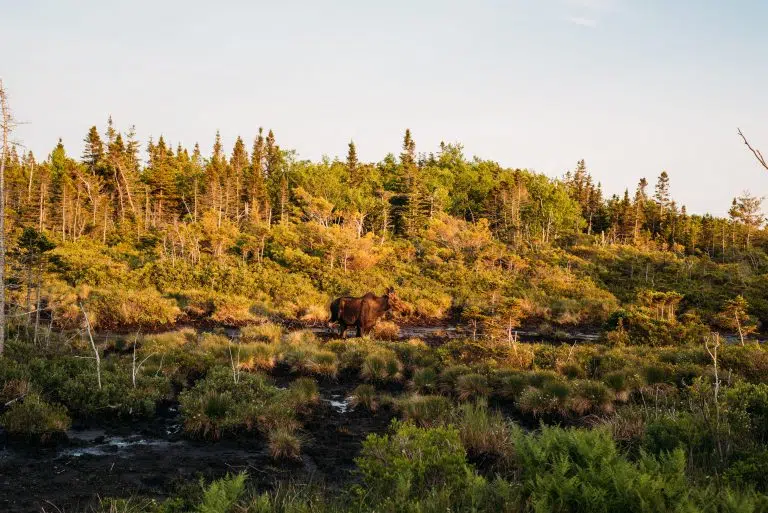
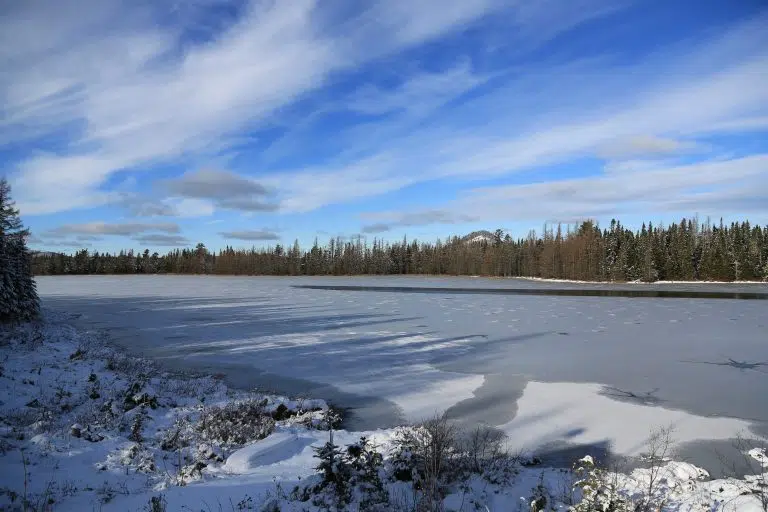
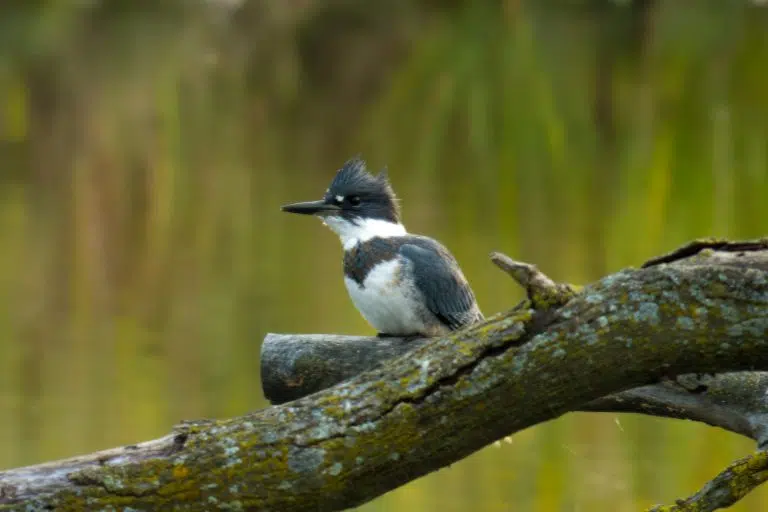
When you think of Acadian Outdoors, you might picture endless forests and gravel roads. But if you look more closely at the maps, you’ll see what anglers notice first: lakes, brooks, and the winding Tobique River, cutting through 775,000 acres of private land in northern New Brunswick. Those waters are full of life.

Our lakes and brooks teem with top-notch fishing opportunities, thanks to the diverse range of species they harbour. New Brunswick is an underrated fishing destination.
To make the most of your fishing trip, this guide will provide you with valuable information on the water’s inhabitants, where to look for them, and the importance of obtaining a Land Use Pass.
With these insights, you’ll be equipped to navigate the water and catch your desired catch.
Acadian Outdoors manages a significant portion of the upper Saint John River watershed, including parts of the Tobique River system, the Green River area, and Riley Brook. These waters combine three things anglers care about:
1. Clean, cool headwater streams for trout and salmon
2. Larger lakes with structures that hold bass, lake trout, and perch
3. Limited public access, which keeps pressure lower than on many roadside spots
According to data from both levels of government, brook trout and Atlantic salmon are two of the most popular recreational species in New Brunswick. In fact, brook trout alone account for more than a third of all recorded freshwater fishing trips in the province. Smallmouth bass is another major target, especially in lakes and slower rivers.
A Land Use Pass gives you legal access to most open lakes and rivers on Acadian Outdoors land for self-directed fishing, hunting, hiking, and camping. This pass helps control traffic and protects the waters you are about to explore.
Brook Trout: The Signature Cold-Water Fish
If there is a fish that defines northern New Brunswick, it is the brook trout. Also known as speckled trout, this native species thrives in cold, well-oxygenated streams, spring-fed ponds, and higher-elevation lakes.
Where to find them on our land
1. Cold brooks feed into the Tobique River
2. Smaller tributaries are located near Green River.
3. Deeper, cooler sections of forest lakes away from warm, shallow bays
Research and stocking data show that northern New Brunswick lakes are a focus for brook trout management, with many waters receiving fingerlings or yearlings to support both wild and enhanced fisheries. On our lands, that translates into plenty of trout water within a short drive of most gates.
Best seasons
1. Ice-out through early June for shallow aggressive fish
2. September for pre-spawn trout in rivers and cool lakes
Always check current size and bag limits. The Fisheries Regulations of the Maritime Provinces regulations list brook trout under general sport fish rules, with lake and river-specific variations you must follow.